OpenAI's AI helped design a device in under a week, but it needed more work before the factory
Two OpenAI team members used the Astra model to design a device for talking to Codex. Getting it ready for manufacturing still took several rounds of review.
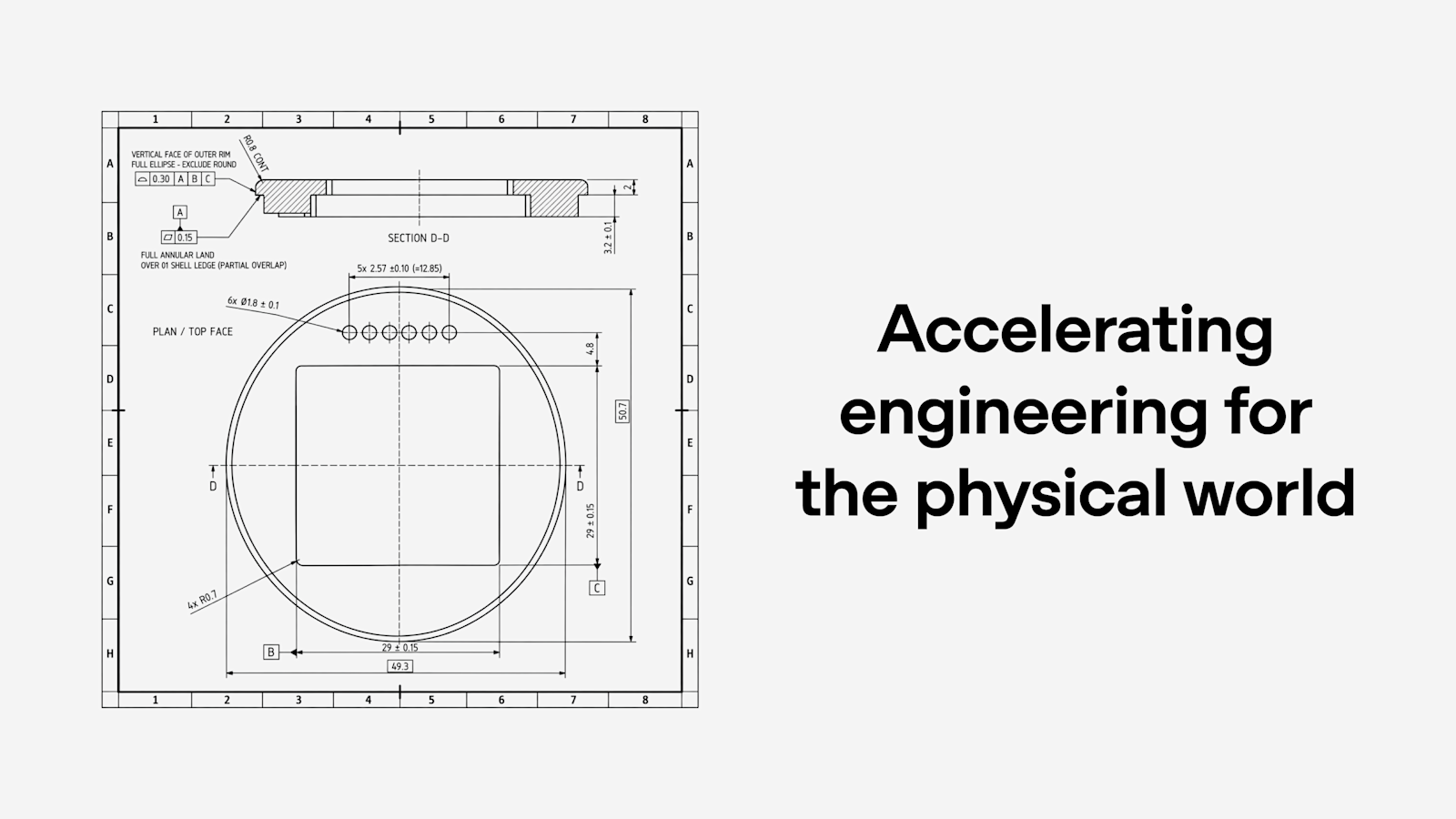
OpenAI wanted to know if its AI could make a real device without any direct human edits. On November 3, it shared what happened.
Two team members designed a test device with Astra, OpenAI's GPT-6 model, in under a week, as a side project. The device lets people talk to Codex, OpenAI's coding tool.
Astra came up with the look of the device. It designed the case and the inner parts that hold everything. It picked the electrical parts and laid out the circuit board. It also designed how people use it, plus the software that links the device to Codex.
A contract manufacturer then built a small batch of prototypes in under a month.
But the device was not ready for a factory yet. OpenAI says that still took "several rounds of review and iteration". Astra did not always account for the maker's production limits, tolerances, or the details needed to put it together. OpenAI says these gaps show what future models need to do better.
OpenAI's own hardware teams use Codex and ChatGPT to make and change design files, prepare factory drawings, set up simulations, and review designs. Since February, their AI use, measured in tokens, has grown 23-fold. Tokens are small chunks of text.
OpenAI is also testing this with Chip Ganassi Racing. There, AI turns 3D scans of existing parts into editable design files. It also started a research project with Mazda exploring new nose shapes to help cut drag on cars. For now, engineers at these partners still check what the AI makes.
Open it and check the claim yourself. That is the point.