Google cut errors about 40x in a key step for quantum computers
Quantum computers need special building blocks called "magic states" that are costly to make. Google says its Willow chip now makes them with about 40x fewer errors.
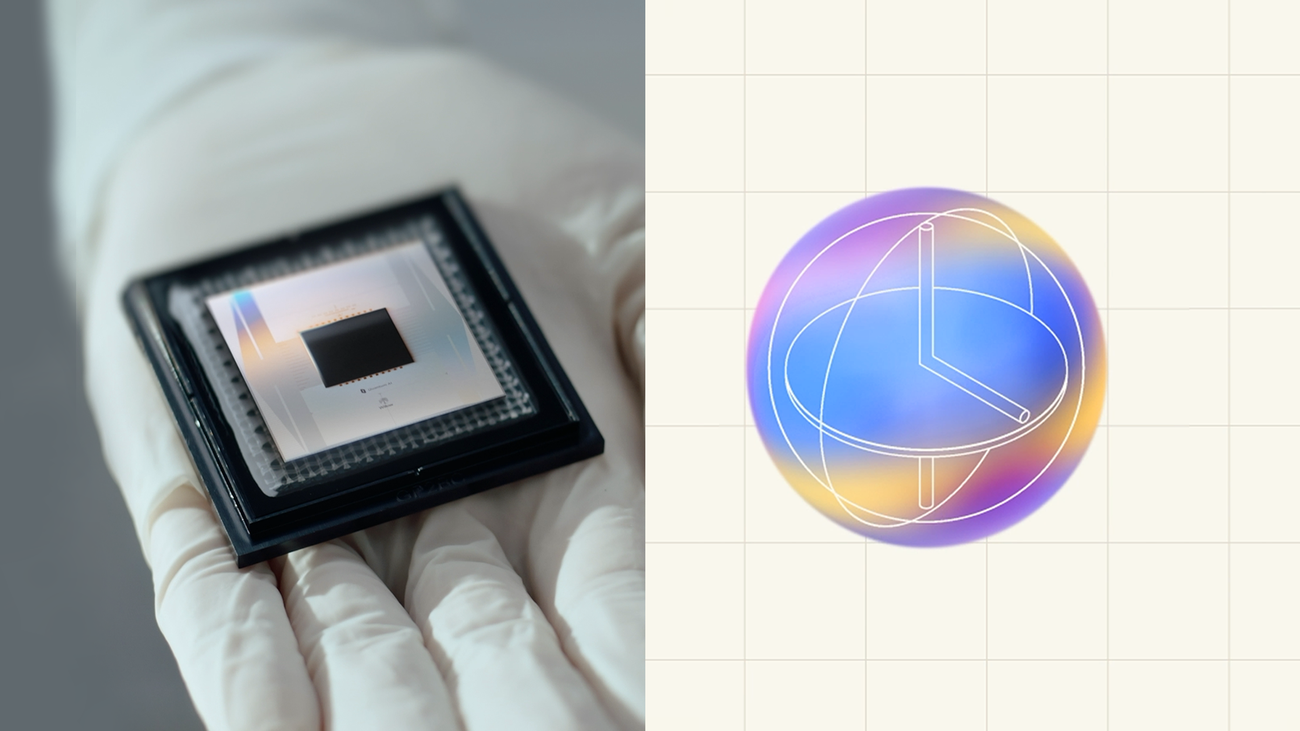
Quantum computers could one day solve problems that normal computers can't. But they make a lot of errors. Fixing those errors is one of the hardest parts of building them.
On October 15, Google said it had cleared one big roadblock. The work was published in the journal Science.
Here is the problem. To run useful programs, a quantum computer needs special building blocks called "magic states." Good ones are costly to make. Some estimates say up to 95% of a quantum computer's power might go into making them. That leaves little room for real work. And each one can only be used once.
Researchers have known about this problem since 2004. For 20 years, they have worked to make it cheaper.
In 2024, a Google team shaped an older idea into what they call "magic state cultivation." It works like a filter. The chip makes a noisy magic state, checks it for errors, and throws out the bad tries. What is left is a very clean state.
Now Google says the idea works on its real chip, called Willow. Errors dropped about 40x compared to not using it. The clean states also hit a record quality score of 99.99%.
It did not go smoothly at first. For months, one researcher saw data that seemed to break the laws of physics. The cause turned out to be noise in the lab from drifting equipment and changing temperatures.
Google says the method still has to work at a much larger scale. In its words, "plenty of technical challenges remain."
Open it and check the claim yourself. That is the point.